
About Us
Rooted in Purpose. Growing Together.
Hispanic Women’s Farming Proyecto was created to open doors for Hispanic women through agriculture, business education, and community connection.
Our Story
Founded by MaryLou Smith, the program began on farmland west of Windsor, Colorado, where land and water resources were dedicated to producing fresh vegetables while creating life-changing opportunities for women in Northern Colorado.
Our Mission
The Hispanic Women Farming Proyecto creates accessible pathways for Hispanic and Latina women to engage in agriculture by providing land, education, mentorship, and community support. Through hands-on farming experiences, the Proyecto empowers women to build skills, generate income, and strengthen their families and communities.

Our Vision
We envision a future where Hispanic and Latina women are recognized as leaders in agriculture, with equitable access to land, resources, and markets. A future where women can cultivate not only food, but economic stability, confidence, and opportunity for themselves and future generations.
Our Values
Community: We believe in the power of learning and growing together. The Proyecto is built on trust, shared knowledge, and mutual support among women.
Access: We are committed to removing barriers to farming by creating opportunities that are accessible, culturally relevant, and rooted in lived experience.
Dignity: We honor the knowledge, labor, and resilience that women bring to agriculture. Farming is not just work, it is a source of pride, identity, and self-determination.
Learning by Doing: We believe that the best way to learn is through hands-on experience. Women gain confidence and skills by actively farming, experimenting, and growing.
Economic Opportunity: We support pathways for women to generate income through agriculture, recognizing that financial stability is essential for long-term wellbeing.
Leadership: We believe women are leaders in their families, communities, and food systems. The Proyecto creates space for that leadership to grow and be recognized.
Sustainability: We are committed to practices that support the health of the land, the community, and future generations.

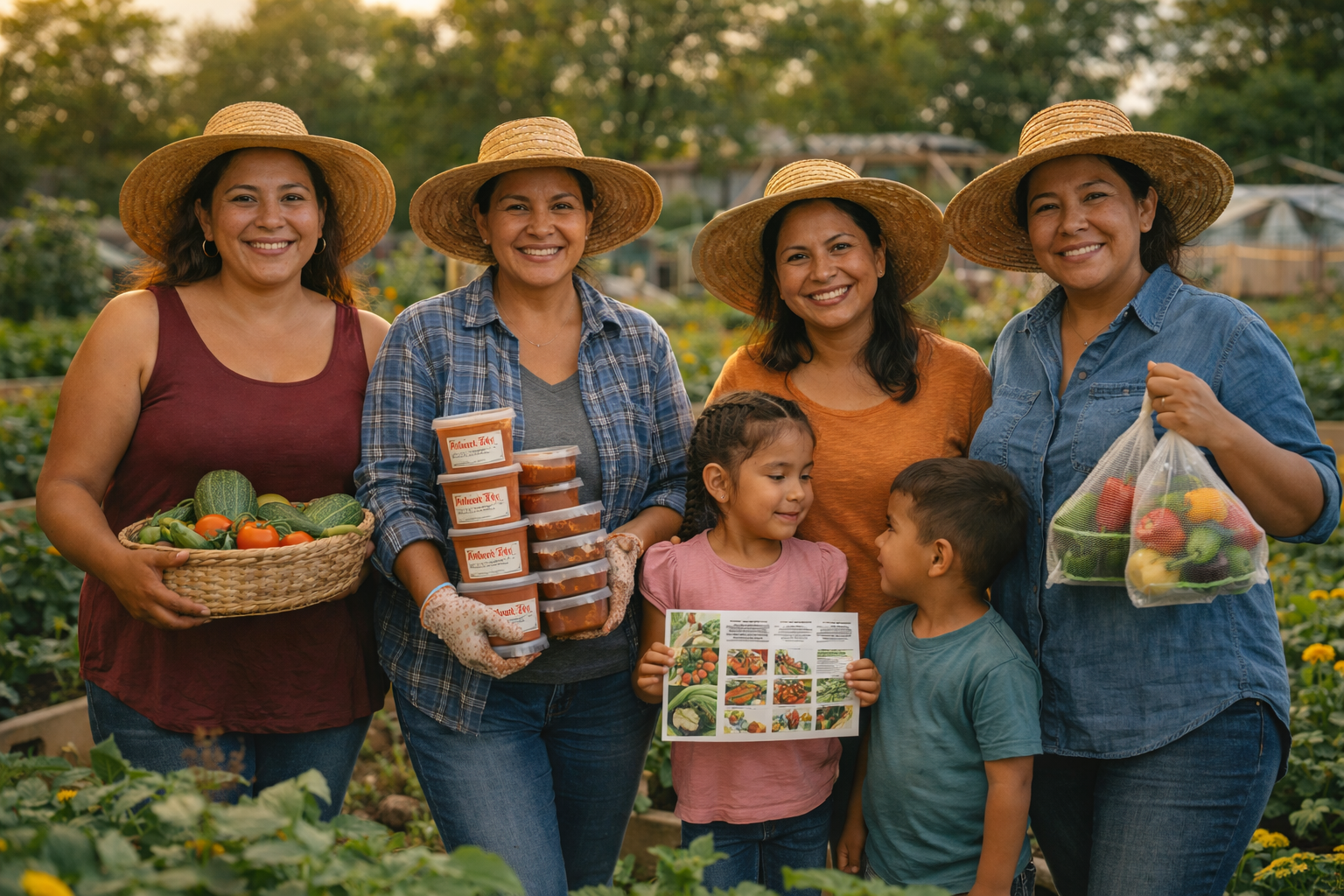
Strong Women. Strong Roots. Strong Futures.
Strong Women. Strong Roots. Strong Futures.
Why this work matters
For many immigrant and Latina women, farming is more than food production. It is:
A pathway to economic stability and self-determination
A way to feed families and preserve cultural food traditions
An entry point to confidence, leadership, and community connection
With the right support, women can transform existing skills into income, food security, and long-term opportunity.
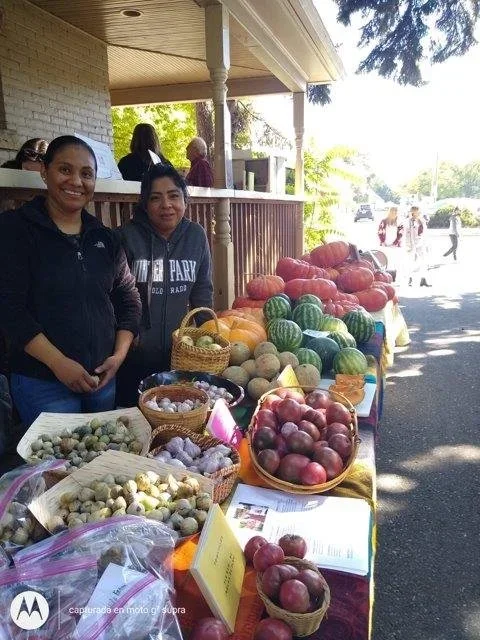
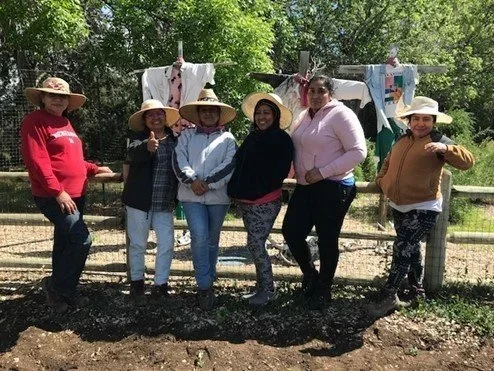
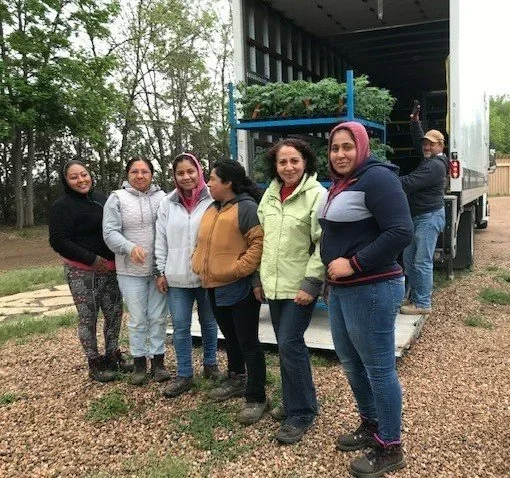
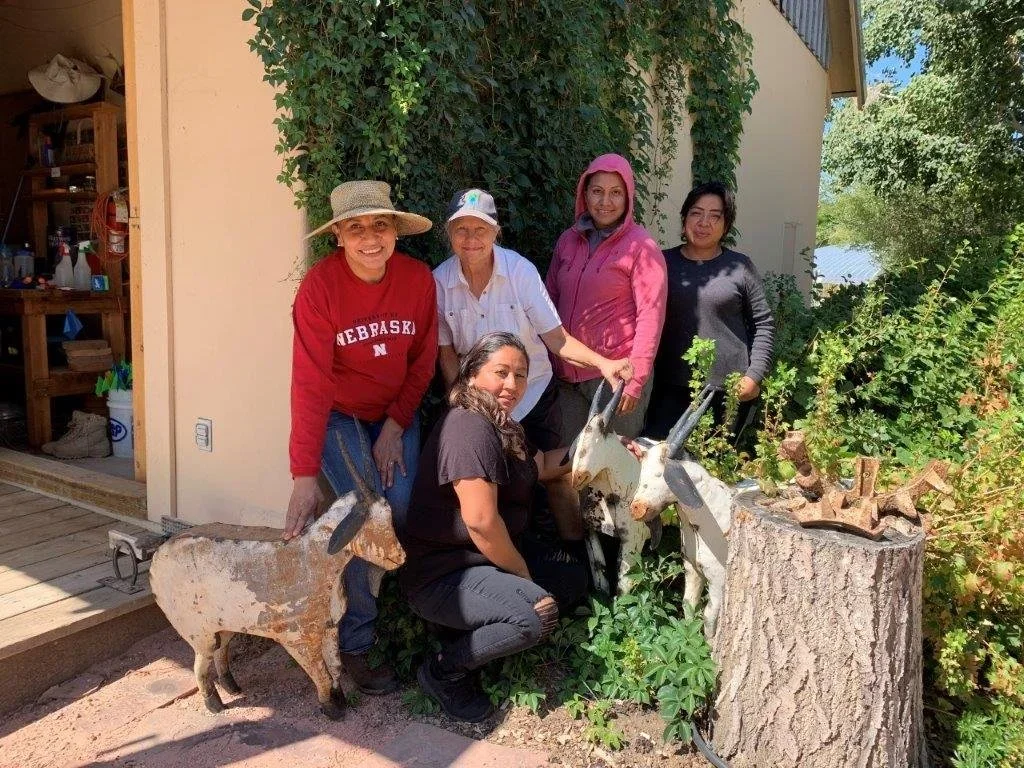
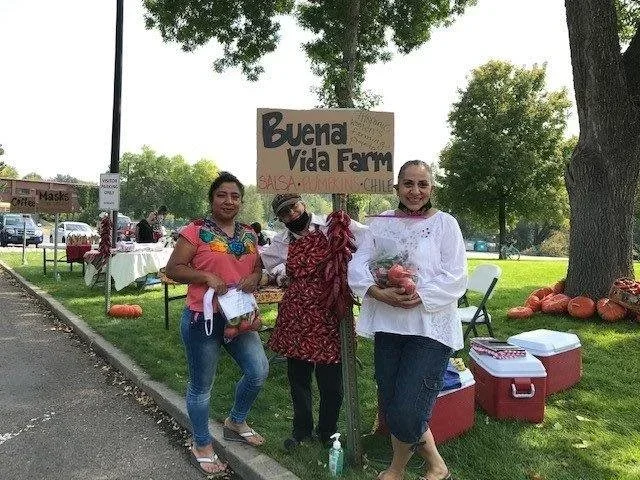
These women are growing more than vegetables—they are growing confidence, leadership, and opportunity.
FAQ’s
-
Hispanic Women’s Farming Proyecto is a Northern Colorado initiative that empowers Hispanic women through sustainable agriculture, entrepreneurship, and community education. Women learn by growing and selling fresh vegetables while developing valuable business and leadership skills.
-
The program is designed for Hispanic women interested in learning about farming, sustainability, entrepreneurship, and creating new opportunities for their families. Availability may vary by season and program capacity.
-
Our women share agricultural knowledge with local families, support home gardening projects, promote healthier eating habits, and help communities access fresh produce while creating meaningful family experiences.
-
You can support the project through donations, partnerships, sponsorships, volunteering, or helping spread awareness of our mission. Community support helps us continue creating opportunities for women and families each season.
-
Participants gain hands-on experience in crop planning, soil health, planting, irrigation, harvesting, food safety, bookkeeping, marketing, sales, and small business development.
-
Hispanic Women’s Farming Proyecto is based in Northern Colorado, serving women and families throughout the region through farming, education, and community outreach initiatives.